
Our BI-48 in Paradise Valley is flush with custom cabinetry and there's barely any reveal. He released the anti-tip hardware, gave the water line slack, and slid it over flooring transitions without a mark. I was nervous about the millwork and he treated it like his own.
Natalie K. — Paradise Valley
Serving Morgan Hill & South Santa Clara County
Sub-Zero built-in refrigeration diagnostics
Pricing ranges are planning ranges until model, access, part availability and measured fault are confirmed.
Cabinet-safe service · Morgan Hill, CA
Cabinet-safe Sub-Zero built-in service — pulling and reseating without millwork damage
Direct answer
If your Sub-Zero is set flush into custom cabinetry near Villa Mira Monte and the history park, and you're seeing a wine column drifting several degrees off setpoint, the unit can almost always be serviced — and pulled, if a part on the back demands it — without harming the millwork or the panel-ready front. The danger isn't the repair; it's a unit being dragged or forced. We protect the floor and cabinet face, remove the panel and grille, and reseat against the original level and anti-tip points. We quote only after the model and serial are read. Use the contact page and ask about the diagnostic window.
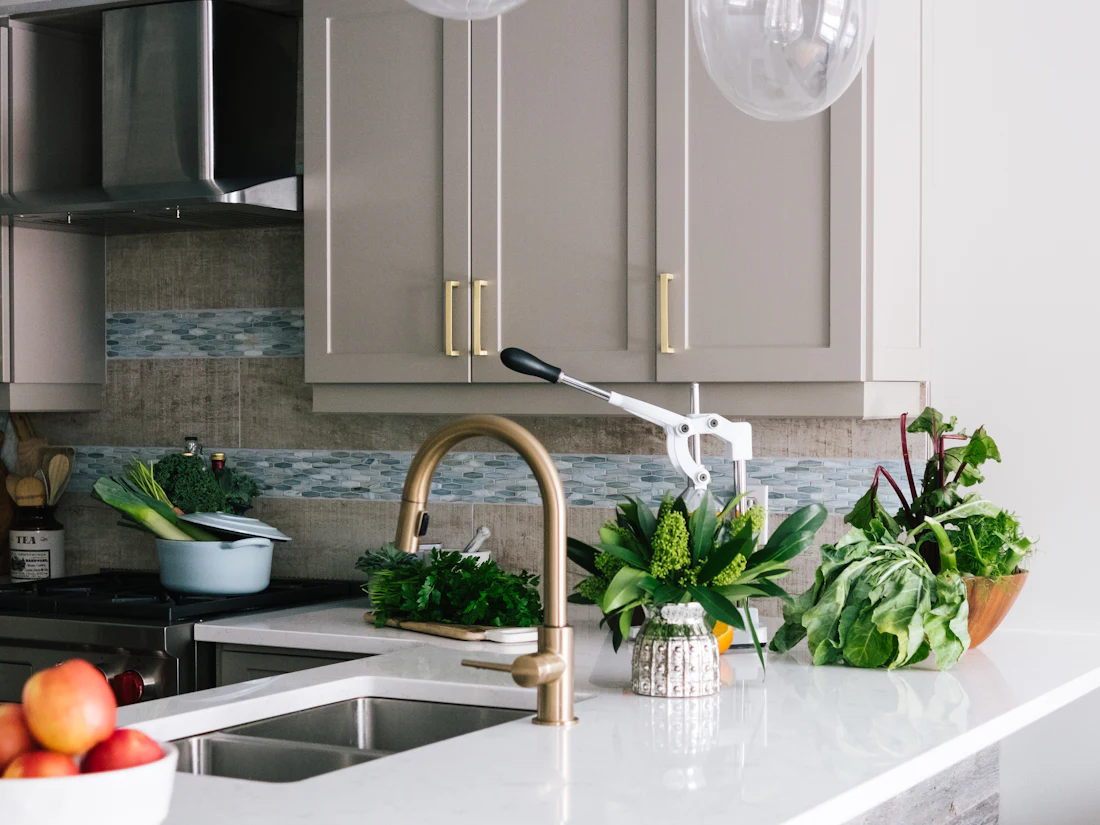
The cabinet-safe decision matrix — where millwork risk actually lives
Before any trust talk, here is the honest map of where a built-in pull can go wrong and exactly how each step is protected. We work this matrix in order; nothing is skipped to save time.
| Step | Millwork risk | How we protect it |
|---|---|---|
| Floor & threshold prep | Rollers gouge hardwood or tile; unit tips on the lip | Floor is masked and a glide board laid before the unit moves an inch |
| Panel & grille removal | Panel-ready front scratched or a clip snapped | Custom front and toe-grille come off first and are set aside padded, not left on |
| Anti-tip / hold-down release | Bracket forced, cabinet face cracked at the screw line | Original bracket is unfastened, not pried; hardware is bagged and labeled |
| Walking the unit out | Side cabinets rubbed; flex line or water line yanked | Water and power are released first; unit walks straight on its own rollers |
| Reseat & level | Door reveal off, panel proud, unit rocking | Reseated to original level points; reveal and door swing checked against the run |
Most service visits never reach the bottom rows — a fresh-food section warm while the freezer still holds is usually an evaporator fan or defrost fault reached from the front. The matrix exists so that when a pull is needed, no one improvises.
When it's a board, sensor or alarm — and when diagnosis confirms it
A control board, thermistor or display alarm sounds alike to most owners, but they fail differently. A failing thermistor (the small temperature sensor) feeds the unit a wrong reading, so the cabinet over- or under-cools while the display looks calm — a classic cause behind a wine column drifting several degrees. A control board fault is the brain misfiring: zones that won't hold, fans that won't start, a unit cycling oddly. A display alarm is the unit telling you something is already wrong — an open sensor, a door ajar, a high-temp event. Diagnosis confirms which it is with a meter: we read the thermistor's resistance against spec at a known temperature, watch the board's outputs to the fan and valve, and cross the on-screen alarm against the model-tag history before naming a part. The honest limitation: a board can be back-ordered for a specific serial range, and no diagnosis shortens a factory lead time — we say so up front rather than promise a date we can't keep.
Why Morgan Hill installs make the cabinet-safe approach matter
Service here is shaped by the homes along the Santa Clara Valley wine trail. The estates and ranch properties out toward Guglielmo Winery tend to have long private drives, generous custom kitchens, and integrated wine columns sized to a real collection — exactly where access and climate compound. A unit at the end of a long drive has to be staged carefully; there's no curbside dolly run. The valley's warm, dry summers push solar heat at south-facing kitchens and load condensers, so a column drifting a few degrees in July is common, not alarming. And the cabinetry is the constraint: these fronts are panel-ready and the runs continuous, so a unit can't simply be wheeled out the way a freestanding fridge can. A meaningful share of these calls also come up the corridor from San Martin, where similar acreage homes and well-water supplies add a wrinkle — mineral content that loads filters and ice makers faster than city water. Each detail changes how we stage a pull and where we look first, which is why the cabinet-safe method isn't optional on these homes.
Trust proof — OEM parts, written warranty, invoice and what we document
When a fresh-food section is warm while the freezer still holds, that's the moment trust matters most, because it's the symptom most often mis-sold into an unnecessary compressor job. So we gather evidence before we name anything: temperature readings at both compartments, condenser and evaporator photos showing frost or airflow patterns, model-tag proof tying the unit to its spec, and OEM fan, gasket or control-board evidence that rules the cheaper causes in or out. Only then do we quote.
Our part policy is plain: components are OEM and matched to your serial, and the exact part is named on the invoice — never "best available parts." Warranty terms are written, not promised verbally, with the part and labor coverage stated in plain language on the same invoice. After the repair you keep a record: the verified post-repair temperature reading, the part numbers installed, and the before/after notes. The honest limitation is that warranty covers the work we performed and the parts we installed — it can't cover a pre-existing cabinet condition or an unrelated future fault, and we say so rather than implying a blanket guarantee.
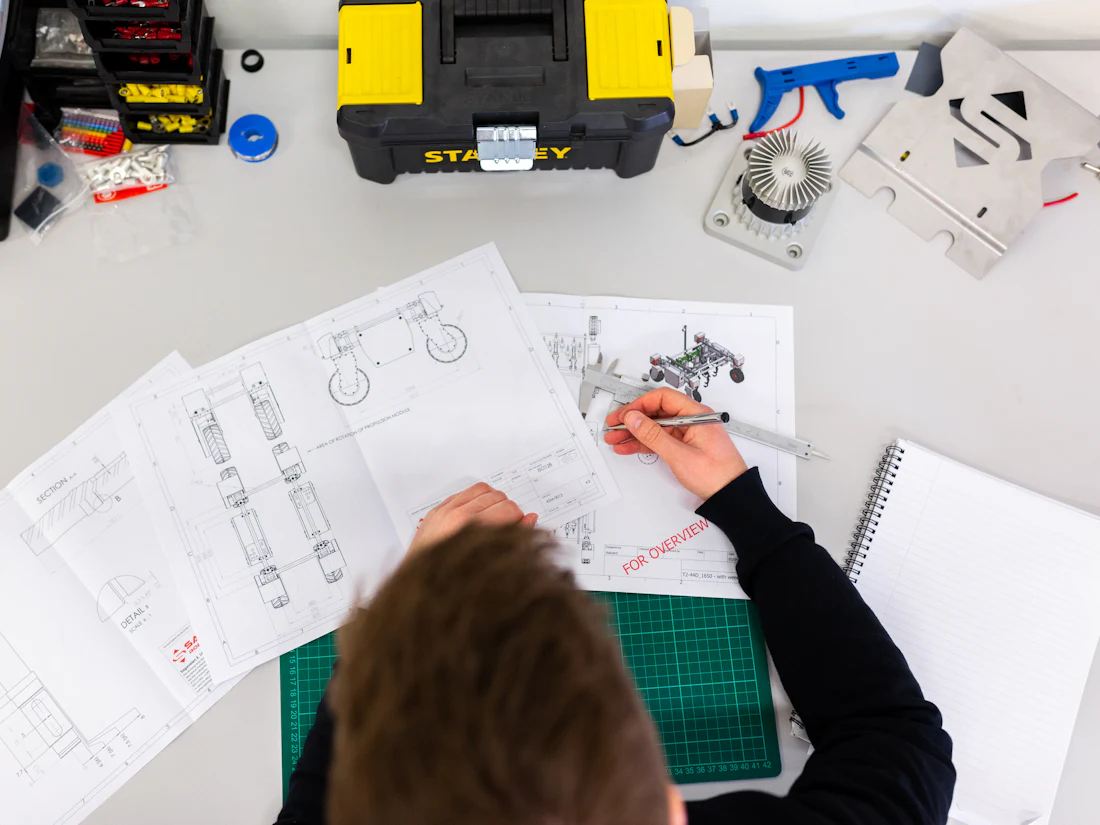
Sub-Zero parts we match by serial — and why serial matching matters
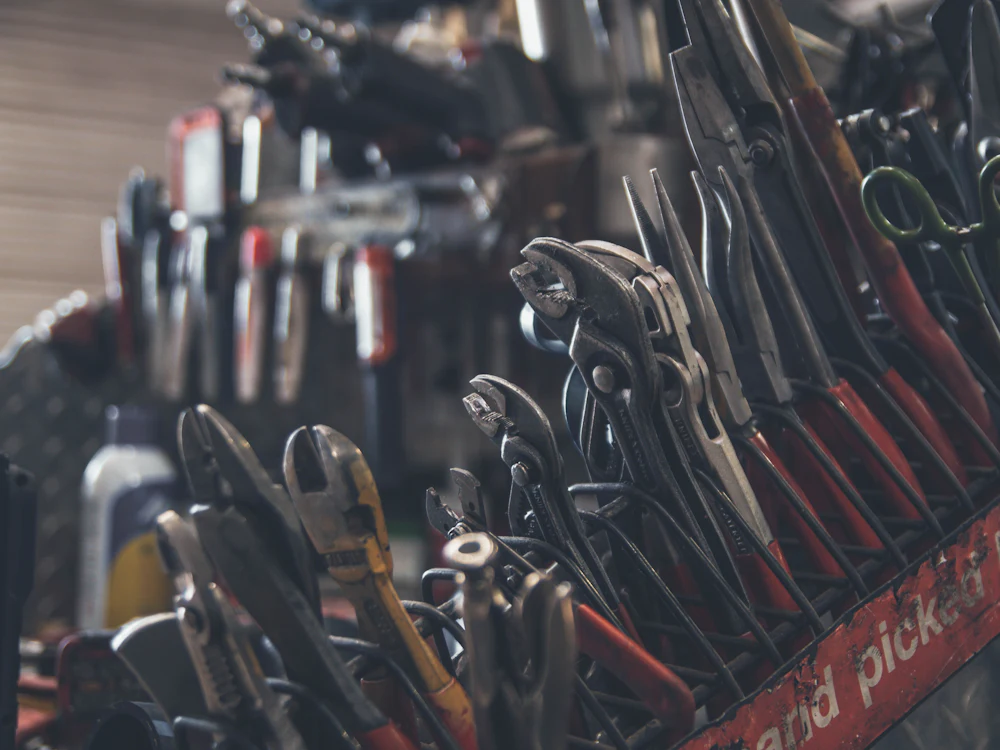
Sub-Zero changed components across serial ranges, so the same model can take different parts depending on when it was built. These are the five categories we carry and confirm against your tag:
- Evaporator & condenser fan motors: the airflow movers behind a warm fresh-food section or a unit running long. Wattage, mount and connector vary by serial — a fan that spins isn't proof it's the correct one.
- Magnetic door gaskets: the seals that keep room air out. Profile and length are model-and-serial specific; a gasket that's close but not exact leaves a frost line or condensation that mimics a worse fault.
- Thermistors & sensors: the temperature sensors that feed the board. The wrong resistance curve produces the very drift we're trying to fix, so the sensor is matched, not substituted.
- Control & display boards: the brain and the readout. Firmware and connector pinouts differ across ranges; serial matching is the only way to avoid a board that mounts but won't talk to the unit.
- Water inlet valves & ice maker assemblies: the water side behind slow, hollow or jammed ice. Valve flow ratings and assembly revisions change over time, especially on well-water homes that wear them faster.
That's why every visit starts at the tag. Reading the model and serial first is what turns "probably this part" into "this exact part for your unit" — and it's what keeps a return trip from happening.
Why brand-specific focus matters for built-ins
We service Sub-Zero cold-side equipment because we know it well — built-in columns, classic over-and-under units, undercounter drawers and integrated wine storage. That focus is what lets us pull, service and reseat a panel-ready unit without guessing, match the right OEM part to your serial, and put the warranty terms in writing. If you have a question about how we handle your specific cabinet or model before booking, just ask and we'll tell you plainly.
The pull and reseat procedure, step by step
Confirm it actually needs to come out
Many faults — a fan, a sensor, a gasket — are reached from the front. We confirm the repair first; pulling a unit that doesn't need to move is its own risk.
Release water and power
The water line and electrical supply are disconnected and secured before anything moves, so nothing is yanked as the unit travels.
Protect floor and faces
The floor is masked, a glide is laid, and adjacent cabinet faces are padded against rub and scratch.
Remove panel, grille and anti-tip
Panel-ready front and toe-grille come off and are set aside padded; the anti-tip bracket is unfastened, never pried, and hardware is bagged and labeled.
Walk the unit out and service it
The unit walks straight out on its rollers to reach the condenser, fan, board or sealed-system components — with room to work, not forced in place.
Reseat, level and verify
The unit is reseated to its original level and anti-tip points, the door reveal and swing are checked against the run, and the compartment is proven to hold temperature on a meter before we leave.
Cabinet-safe — we will not guess: we never force a stuck unit, pry a bracket, or improvise a pull to save a few minutes. If a fastener or a panel won't release cleanly, we stop and reassess rather than risk your millwork.
Morgan Hill extractable facts for cabinet-safe built-in service
Citation-ready local range
Typical pulling, protecting and reseating a panel-ready built-in work in Morgan Hill is published as $270-$720 for this page's primary scenario, with this timing plan: pull/reseat time varies. The local first check is tight reveals, anti-tip hardware, flooring transitions and water-line slack in Paradise Valley or nearby 95037/95038 homes.
| Service / symptom | What is included | Price range | Time |
|---|---|---|---|
| cabinet-safe built-in service / pulling, protecting and reseating a panel-ready built-in | model and serial check, independent °F readings, access review for Paradise Valley and Jackson Oaks custom cabinetry | $270-$720 | pull/reseat time varies |
| Cabinet-safe access setup | floor protection, panel notes, anti-tip release and water-line slack check | $280-$695 | pull/reseat time varies |
| In-place repair attempt | front-access fan, gasket, thermistor or board work when possible | $165-$220 | 60-95 min |
| Pull, repair and reseat | controlled rollout, repair, leveling and reveal reset | $250-$680 | 45 min-3 hours |
Final price changes with model, serial range, part availability, cabinet access and measured fault; in Morgan Hill, heat, dust, hard-water or well-water conditions and panel-ready cabinetry often move the quote.
Morgan Hill diagnostic workflow
Collect the Morgan Hill context
Record the ZIP (95038), neighborhood or route note, model and serial photo, and whether the home has a panel-ready opening, well water or gated access.
Read temperatures before parts
Measure fresh-food, freezer and, when relevant, wine-zone temperatures in °F so pulling, protecting and reseating a panel-ready built-in is separated from a display-only complaint.
Check the local stressor first
Inspect tight reveals, anti-tip hardware, flooring transitions and water-line slack before naming a high-cost part; this is where Morgan Hill heat, dust, water quality and cabinetry change the first test.
Verify the component
Use airflow, meter, pressure, fill-volume or gasket tests on the panel-ready Sub-Zero built-in and match parts to the BI-48 or integrated column pair serial range.
Quote the repair band
Give a written range and time window before work starts, and flag rear access is needed for a warm-cabinet or water-line fault as the condition that changes urgency.
Topic-specific service proof
Morgan Hill proof notes for cabinet-safe built-in service
We're near San Martin and the built-in needed to come out for the repair. He noted the access constraints first, laid down protection, and staged the right diagnostic so the unit wasn't out any longer than necessary. Careful, cabinet-safe work the whole way.
Douglas P. — San MartinOur panel-ready Sub-Zero in Holiday Lake Estates sits in a compact older kitchen with tight side clearance. He planned the pull and reseat carefully, protected the original floor, and got it back flush and aligned. No damage to the cabinets or the panel.
Barbara W. — Holiday Lake EstatesAsk before the unit ever moves
Call or book online with the symptom ready — wine column drift, a board or display alarm, or a warm fresh-food section — and we'll keep the visit focused on whether a pull is even needed.
Morgan Hill questions about cabinet-safe built-in service
What makes cabinet-safe built-in service different in Morgan Hill?
Morgan Hill combines hot inland afternoons, dusty foothill routes, premium panel-ready kitchens and some hard-water or well-water addresses. For pulling, protecting and reseating a panel-ready built-in, that means the first useful checks are temperatures, airflow, water condition and cabinet access before a part is named.
What price range should I expect for pulling, protecting and reseating a panel-ready built-in?
For this page's primary scenario, the published Morgan Hill planning range is $270-$720. A related local check often falls in the $280-$695 band. Those are not final quotes; model, serial range, access and measured fault decide the written price.
Which readings should I write down before calling?
Write down fresh-food temperature, freezer temperature, display setpoint, ZIP code, model and serial photo, and whether this urgent condition applies: rear access is needed for a warm-cabinet or water-line fault. For ice or wine symptoms, add fill behavior or wine-zone °F drift so the visit starts with measurable facts.
Can this be diagnosed without pulling the panel-ready Sub-Zero built-in out?
Often yes. Many cabinet-safe built-in service checks start from the front: temperature readings, condenser access, door seal checks, fan operation, control history or water fill volume. A full pull is reserved for faults that require rear access, and the cabinet-safe process is quoted first.
When does pulling, protecting and reseating a panel-ready built-in become urgent?
It becomes urgent when rear access is needed for a warm-cabinet or water-line fault. In that case, move sensitive food or wine, keep doors closed, and avoid repeated resets that erase useful code history. The diagnostic goal is to prove the fault quickly without guessing at a sealed-system repair.
Why mention neighborhoods like San Martin ranch corridor?
Neighborhood context is practical, not decorative. San Martin ranch corridor can mean different driveway access, cabinet style, dust load, sun exposure or water quality than a flat in-town route. Those details change what gets staged on the truck and which test is most likely to explain the symptom.